

Aviation fuel testing throughout the supply chain from refinery to aircraft
Microorganisms thrive wherever free water is present in fuel systems. Even with good housekeeping and routine drainage, complete water removal is rarely achievable. Over time, this creates ideal conditions for bacteria and fungi to grow at the fuel/water interface in storage tanks, hydrant systems, pipelines and refuelling vehicles.
The consequences are significant. Microbial growth can cause hazy fuel, discoloured water bottoms and biomass deposits, leading to corrosion of tanks and pipework, clogged filters, restricted fuel flow, operational delays and rising maintenance costs. Left unmanaged, contamination can rapidly degrade fuel quality and damage fuelling infrastructure.
The white paper Aviation Fuel Quality Management & Microbiological Supply Chain Challenges examines how microbial contamination fits into the broader fuel-quality framework and reinforces that monitoring is not optional, but essential.

Why traditional testing no longer fits operational reality
Conventional laboratory culture methods such as IP 385 are widely recognised, but they are slow and operationally impractical for aviation environments. Samples must be shipped—often on ice—incubated for up to a week, and interpreted by trained laboratory personnel. During this time, critical assets may remain out of service, and results can be compromised by changes in the sample during transport.
ATP-based tests offer faster turnaround, but require specialised equipment, controlled handling and operator training, limiting their suitability for frequent, tank-side monitoring.
In an industry where operational decisions often need to be made in minutes rather than days, these approaches introduce delay, cost and risk.
The shift to immediate, on-site detection
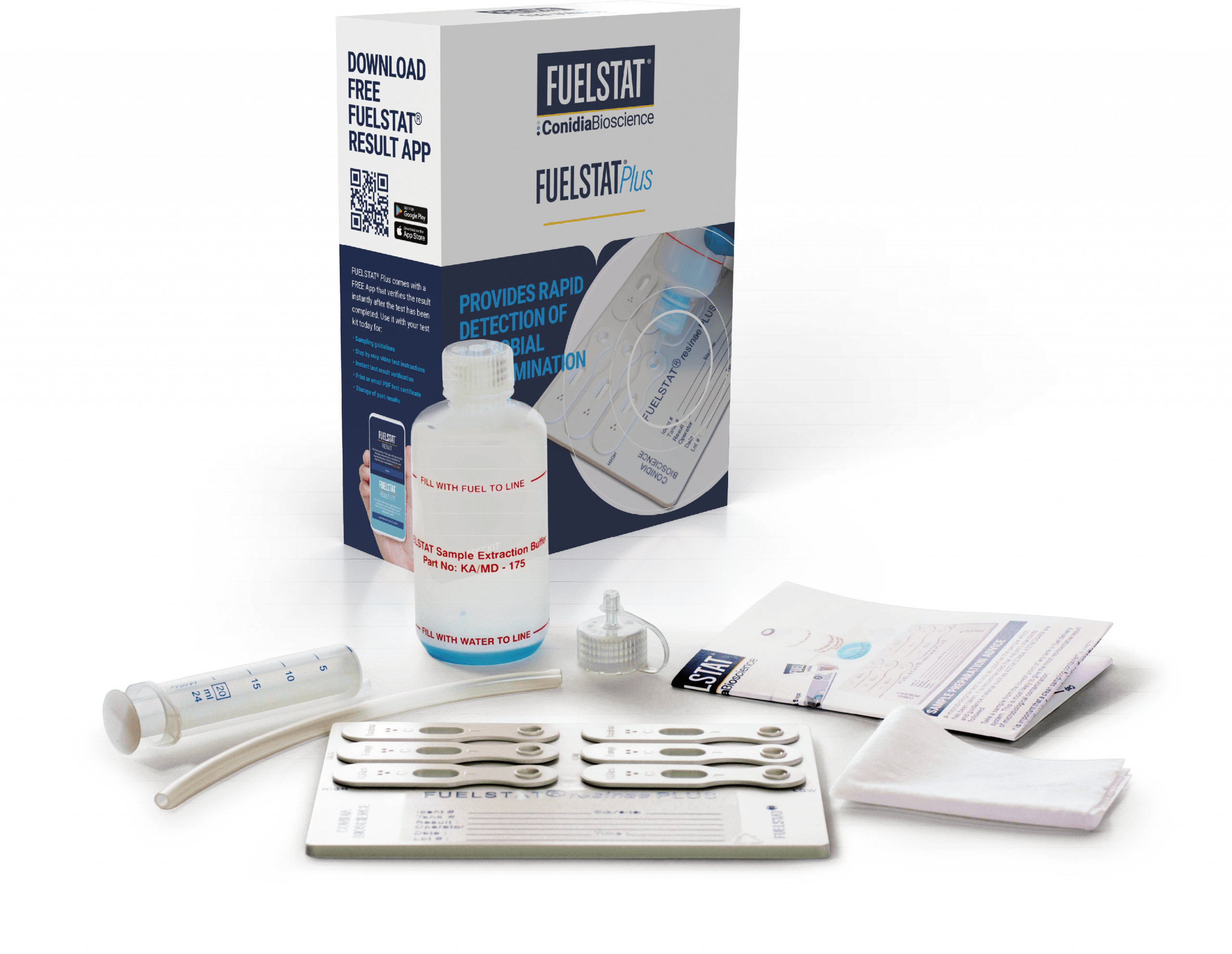
The paper highlights the growing role of rapid, in-field testing in modern fuel-quality management. FUELSTAT® Plus, a lateral-flow microbial detection test compliant with ASTM D8070 and referenced in EI 3203 and JIG TID #1, is presented as a practical solution designed for aviation operations.
FUELSTAT® Plus is performed directly at the point of risk—on bulk storage tanks, hydrant pits, filter vessels and refuelling equipment. Results are available in 15–30 minutes, with no incubation, no laboratory facilities and no cold-chain transport. This enables operators to confirm contamination immediately, remove assets from service where necessary, and take corrective action without delay.
The system also supports digital traceability and trend monitoring, aligning microbial testing with wider EI/JIG quality-assurance and audit requirements.
Building a practical microbial control strategy
The white paper emphasises that effective control relies on a structured programme built on routine water management, scheduled microbial testing of high-risk assets, trend monitoring, and rapid intervention. Bulk storage tanks, intermittently used equipment and systems with challenging geometries are identified as particular priorities.
The takeaway
Microbial contamination is an operational inevitability wherever fuel and water coexist. What defines best practice is not whether contamination can occur, but how quickly it is detected and controlled. The paper concludes that only rapid, on-site testing can realistically support the safety, pace and economic demands of modern aviation fuel operations.